
3D Plastic Printing: How It Works and Where to Start
- Joseph Halabi
- Nov 14, 2025
- 2 min read
In today’s fast-paced world of manufacturing, prototyping, and product development, 3d plastic printing has emerged as a revolutionary solution. This technology allows designers, engineers, and hobbyists to create accurate, functional, and visually impressive parts directly from digital models. Unlike traditional manufacturing, which often requires costly molds and long production times, 3D plastic printing provides a fast, flexible, and cost-effective alternative.

The Advantages of 3D Plastic Printing
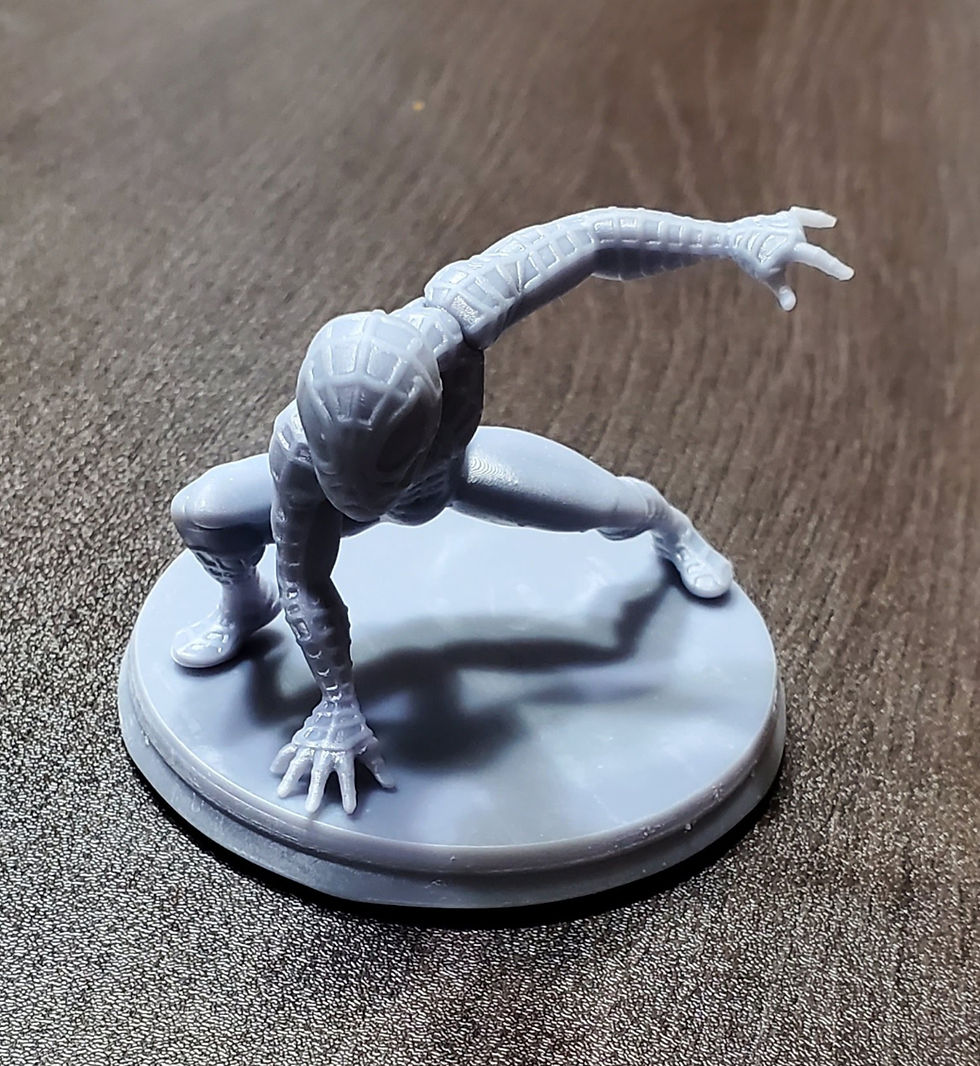
One of the key benefits of 3d plastic printing is its ability to produce highly customized parts with exceptional detail. From prototypes and small batch production to end-use components, this process offers unmatched precision and versatility. Designers can iterate quickly, testing multiple versions of a part before finalizing a design. This reduces errors, minimizes material waste, and accelerates the overall development process.
Another major advantage is the wide range of plastic materials available. Common options include PLA, ABS, PETG, nylon, and high-performance engineering plastics. Each material provides unique properties, such as strength, flexibility, heat resistance, or chemical resistance, allowing for parts suited to a variety of applications. Whether you need durable mechanical components, functional prototypes, or visually appealing models, 3D plastic printing can deliver.
Applications of 3D Plastic Printing
The applications of 3d plastic printing span across multiple industries. In engineering and manufacturing, it’s used for rapid prototyping, jigs, fixtures, and functional testing. In the medical field, it enables the production of anatomical models, surgical guides, and custom prosthetics. Consumer product designers use 3D plastic printing to create unique products, limited-edition items, and personalized designs. Even artists and educators benefit from this technology to bring creative concepts and teaching models to life.
Efficiency and Cost Savings
3D plastic printing also offers significant efficiency and cost benefits. Traditional manufacturing processes can involve expensive tooling and long lead times, which can be prohibitive for small-scale production. With 3D printing, parts can be produced on-demand, reducing inventory costs and speeding up delivery. This makes it ideal for startups, small businesses, and anyone looking to bring a product to market quickly without heavy upfront investment.
The Future of 3D Plastic Printing
As technology advances, 3d plastic printing continues to evolve, offering higher resolution, faster print speeds, and the ability to print with advanced composite materials. Its impact on prototyping, custom manufacturing, and creative industries is profound, providing limitless possibilities for innovation.
Overall, 3d plastic printing is more than a manufacturing tool—it’s a gateway to turning ideas into reality. Whether for prototyping, small batch production, or fully functional parts, 3D plastic printing empowers designers and engineers to innovate faster, reduce costs, and produce high-quality plastic components with precision and reliability.


Comments