
Need a Physical Version of Your 3D Design?
Print my 3d model is a request many designers, engineers, hobbyists, and entrepreneurs make when they are ready to turn a digital idea into a physical object. Whether the goal is to test a prototype, create a custom part, or produce a one-of-a-kind item, transforming a 3D design into a real-world product is an exciting step in the creative process. Understanding how this process works and what to expect helps ensure the final result meets both functional and aesthetic expectations.
Bringing a digital model into the physical world begins with preparation. When you’re ready to print my 3d model, having a well-designed file is essential, as even small errors in geometry can affect the final outcome. Clean surfaces, proper wall thickness, and correctly scaled dimensions help ensure that the object can be produced accurately. Many creators also review their files for structural strength, especially if the object will be used mechanically or handled frequently.

Material selection is another critical consideration. Different materials offer different strengths, finishes, and performance characteristics. Plastics are commonly used for prototypes, lightweight parts, and consumer products due to their versatility and cost efficiency. Other materials, such as resins or composites, may be chosen for higher detail, smoother finishes, or increased durability. Selecting the right material depends on how the object will be used, whether it needs flexibility, rigidity, heat resistance, or visual appeal.
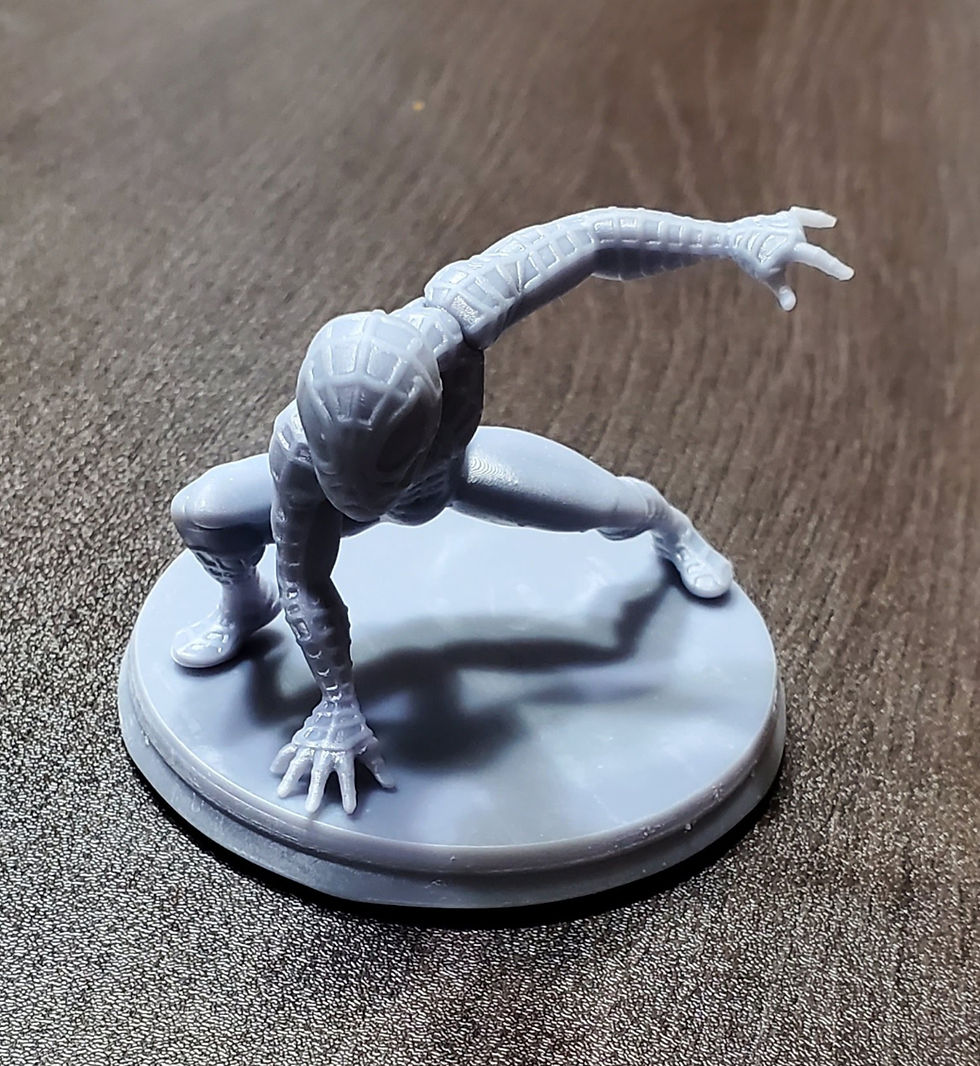
Resolution and detail play a major role in the final appearance of a printed object. Higher-resolution processes can capture fine details, curves, and textures more accurately, making them ideal for display pieces, miniatures, or artistic designs. Lower-resolution methods may be better suited for functional parts where precision and strength are more important than surface finish. Understanding these trade-offs helps creators choose the most suitable production approach for their project.
Once the design and materials are selected, the production process begins. Layer by layer, the digital file is translated into a physical form. This stage requires careful calibration and monitoring to ensure accuracy. Factors such as temperature, speed, and layer height can influence the strength and appearance of the final object. Quality control during this phase reduces the likelihood of defects and ensures consistency throughout the build.
Post-processing is often an overlooked but essential step. After production, objects may require cleaning, sanding, curing, or finishing to achieve the desired look and performance. Some projects benefit from painting or coating, while others may require assembly or additional machining. These finishing touches can dramatically improve both the appearance and usability of the final piece.
One of the biggest advantages of turning a digital model into a physical object is customization. Unlike mass-produced items, custom fabrication allows creators to adjust dimensions, test variations, and refine designs quickly. This flexibility is especially valuable for product development, where rapid iteration can save time and resources. It also opens the door for personalized items, replacement parts, and small production runs that would otherwise be impractical.
Cost considerations will be another factor to take into account. The price of a custom product will vary based on its size and complexity as well as its required finishing processes and the materials used to create it. The cost of fabricating just one custom product will typically be higher - on a per-unit basis than that if we were to manufacture in volume; however, creating individual products still eliminates the need for expensive tooling and any other large-scale initial financial investment (start-ups, students, and independent makers can all take advantage of custom fabrication).
In addition to being more functional, custom fabrication allows you to hold something in your hand that was created based on your digital imagination. Custom-made objects provide physical proof of the idea behind the original digital item. They allow both you and your customers to physically feel your ideas, allowing customers to give feedback, as well as providing manufacturers an opportunity to test how the item will behave during different production runs. The ability to translate digital files into the physical realm has allowed for an entirely new era of invention and creativity across many sectors. This applies to professional artisans, artists, students designing and building their own products, and innovators developing new product concepts.
As a result of the rapid evolution of technology, the means of creating a physical manifestation of your digital designs has become increasingly democratized and accessible to all levels of creators. In addition to being able to produce your product more accurately, faster than in the past, and with more advanced production software tools, you will be able to transform your digital vision into a physical object no matter where you are in the world.
Ultimately, turning a digital file into a finished object is about more than technology—it’s about creativity, problem-solving, and realizing ideas. When you are ready to take that step and bring your design off the screen and into your hands, the journey begins and ends with a simple goal: print my 3d model.


Comments